How Long Does a Fibromyalgia Attack Last?
Living with fibromyalgia can be unpredictable. Some days you may feel capable of completing your normal routine, while other days even getting out of bed can seem impossible. One of the biggest questions many people ask after receiving a diagnosis is: How long does a fibromyalgia attack last?
The answer isn’t always straightforward because fibromyalgia affects every person differently. A flare-up—or what many people call a fibromyalgia attack—can last anywhere from a few hours to several days or even weeks. The severity, duration, and symptoms depend on many factors, including stress, sleep quality, weather changes, physical activity, illness, and overall health.
Understanding how fibromyalgia flare-ups work can help you prepare for them, manage symptoms more effectively, and recover more quickly. In this guide, we’ll explore everything you need to know about fibromyalgia attacks, including their duration, symptoms, triggers, recovery strategies, and when to seek medical attention.
What Is a Fibromyalgia Attack?
A fibromyalgia attack, often called a fibromyalgia flare-up, is a temporary worsening of symptoms beyond your usual baseline. During a flare, symptoms become more intense and can interfere with work, family responsibilities, and daily activities.
Unlike injuries or infections, fibromyalgia doesn’t cause tissue damage or inflammation that can be seen on medical scans. Instead, researchers believe the condition is linked to changes in how the brain and nervous system process pain signals, a process known as central sensitization.
During a flare-up, the nervous system becomes even more sensitive, making ordinary sensations feel painful and exhausting.
Common symptoms during a fibromyalgia attack include:
- Widespread muscle pain
- Deep body aches
- Burning or stabbing pain
- Extreme fatigue
- Fibro fog (difficulty concentrating)
- Morning stiffness
- Headaches or migraines
- Poor sleep
- Increased sensitivity to light, sound, touch, or temperature
- Anxiety or low mood
Many people describe a flare as feeling like they have the flu without actually having an infection.
How Long Does a Fibromyalgia Attack Last?
There is no single timeline that applies to everyone.
A fibromyalgia attack may last:
- Several hours after intense physical or emotional stress
- One to three days for many mild flare-ups
- Several days to two weeks for moderate attacks
- Weeks or even months during severe flare-ups, especially if multiple triggers are involved
For many individuals, symptoms gradually improve rather than disappearing overnight. Recovery may happen in stages, with pain decreasing first while fatigue and cognitive symptoms linger longer.
Some people experience only a few flares each year, while others have recurring episodes every month.
The duration depends on factors such as:
- Severity of the trigger
- Overall health
- Sleep quality
- Stress levels
- Medication effectiveness
- Physical activity
- Coexisting medical conditions
Why Do Fibromyalgia Flare-Ups Last Different Lengths?
Every person’s nervous system responds differently to stressors.
Several factors influence how long a flare continues.
Stress
Emotional stress is one of the most common triggers.
Major life events, work pressure, financial concerns, family conflicts, or prolonged anxiety can activate the body’s stress response, making symptoms worse.
If stress continues, flare-ups often last longer.
Poor Sleep
Fibromyalgia and sleep problems often go hand in hand.
Even one or two nights of poor-quality sleep can increase pain sensitivity and fatigue. Chronic sleep disruption can prolong recovery.
Physical Overexertion
Many people experience a “boom-and-bust” cycle.
Feeling better may encourage doing too much in one day, which often leads to a painful flare lasting several days afterward.
Illness
Common infections such as colds, influenza, or COVID-19 may temporarily worsen fibromyalgia symptoms.
Recovery from both illnesses simultaneously may take longer.
Weather Changes
Although research findings are mixed, many patients report worsening symptoms during:
- Cold weather
- High humidity
- Rapid barometric pressure changes
- Storms
Hormonal Changes
Hormonal fluctuations during menstruation, menopause, or pregnancy may influence pain intensity for some individuals.
Common Symptoms During a Fibromyalgia Attack
Every flare is unique.
However, most people experience a combination of physical and cognitive symptoms.
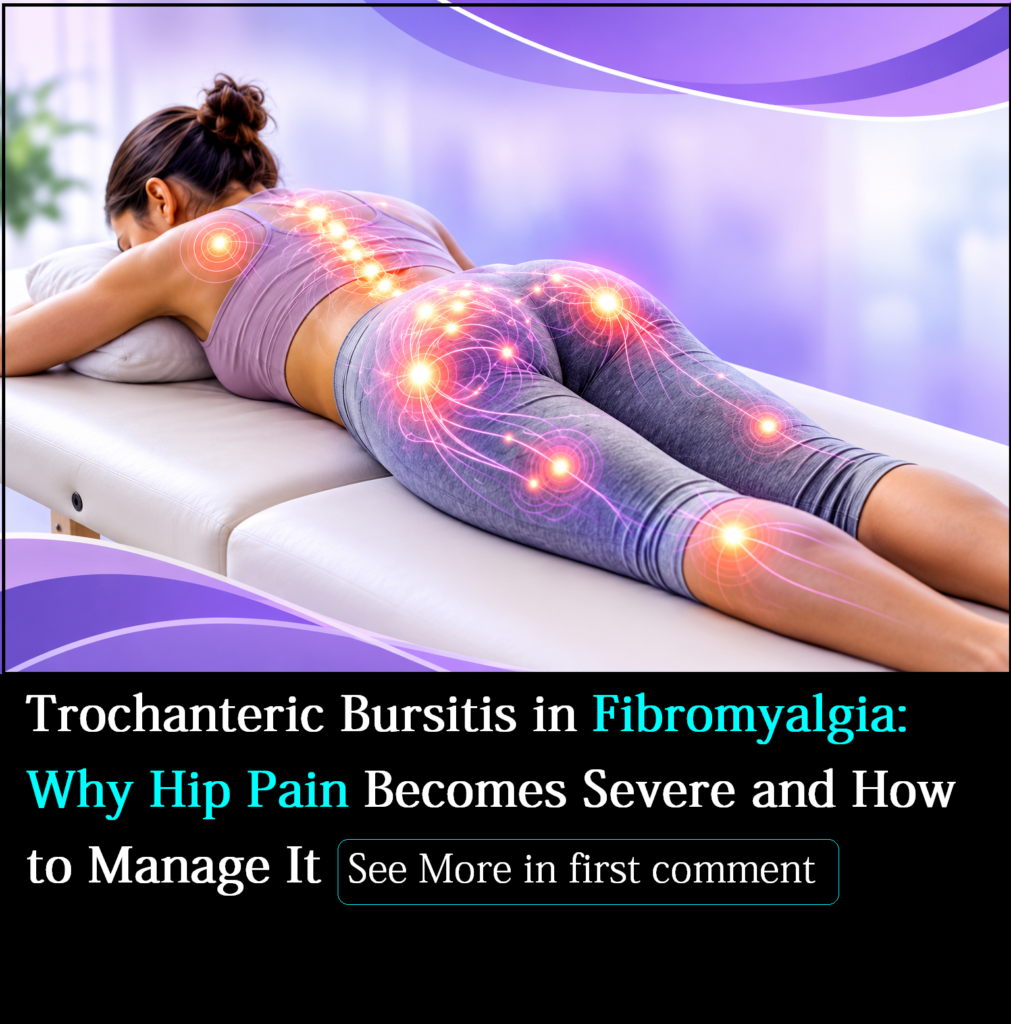
Widespread Pain
Pain may feel:
- Burning
- Aching
- Throbbing
- Stabbing
- Deep muscle soreness
The pain often affects:
- Neck
- Shoulders
- Back
- Hips
- Legs
- Arms
- Jaw
Extreme Fatigue
Many patients report feeling exhausted even after sleeping for several hours.
This fatigue differs from ordinary tiredness and may make simple tasks feel overwhelming.
Fibro Fog
Brain fog is another hallmark symptom.
People may notice:
- Difficulty remembering words
- Trouble concentrating
- Forgetfulness
- Slower thinking
- Difficulty multitasking
Sleep Problems
Despite exhaustion, restorative sleep remains difficult.
Many people wake feeling just as tired as when they went to bed.
Increased Sensitivity
During flare-ups, sensitivity often increases to:
- Noise
- Bright lights
- Strong smells
- Heat
- Cold
- Touch
What Triggers a Fibromyalgia Attack?
Learning your personal triggers can reduce the frequency of flare-ups.
Common triggers include:
- Emotional stress
- Lack of sleep
- Overexertion
- Heavy exercise
- Weather changes
- Viral infections
- Surgery
- Injuries
- Hormonal changes
- Certain foods (for some individuals)
- Alcohol
- Long travel
- Standing for extended periods
Keeping a symptom journal may help identify patterns over time.
How to Recover Faster From a Fibromyalgia Flare
Although there is no instant cure, several strategies may shorten recovery.
Prioritize Rest
Allow your body time to recover without remaining completely inactive.
Balance gentle movement with adequate rest.
Stay Hydrated
Dehydration can worsen fatigue and headaches.
Drink water consistently throughout the day.
Gentle Stretching
Light stretching or slow yoga may reduce stiffness without increasing pain.
Avoid pushing into painful movements.
Heat Therapy
Warm baths, heating pads, or warm showers often provide temporary relief for muscle pain.
Improve Sleep Hygiene
Try to:
- Go to bed at the same time nightly
- Avoid caffeine late in the day
- Keep your bedroom cool and dark
- Limit screen time before sleep
Manage Stress
Helpful techniques include:
- Deep breathing
- Meditation
- Mindfulness
- Journaling
- Listening to calming music
Follow Your Treatment Plan
Continue medications exactly as prescribed by your healthcare provider.
Avoid stopping medications suddenly without medical advice.
Can Fibromyalgia Attacks Be Prevented?
While flare-ups cannot always be avoided, many people reduce their frequency through lifestyle adjustments.
Helpful habits include:
- Maintaining regular sleep
- Eating balanced meals
- Staying hydrated
- Exercising moderately
- Managing stress
- Avoiding overexertion
- Taking regular breaks
- Following medical advice
Consistency is often more effective than dramatic lifestyle changes.
When Should You See a Doctor?
Although flare-ups are common, some symptoms deserve medical evaluation.
Seek medical advice if:
- Pain suddenly becomes much worse than usual
- You develop fever or signs of infection
- You notice new neurological symptoms
- Pain occurs after a serious injury
- Symptoms continue worsening for weeks
- Medications stop providing relief
- Daily activities become increasingly difficult
Other conditions can mimic fibromyalgia, so new or unusual symptoms should never be ignored.
Frequently Asked Questions
Can a fibromyalgia attack last only one day?
Yes. Mild flare-ups caused by temporary stress or overactivity may improve within 24 hours.
Can a fibromyalgia flare last several weeks?
Yes. Severe flare-ups triggered by illness, chronic stress, or multiple factors may continue for several weeks.
Does exercise make fibromyalgia worse?
Not necessarily. Moderate, low-impact exercise often helps over time. However, excessive exercise can trigger a flare.
Is fibromyalgia pain constant?
Many people experience ongoing pain with periods of increased severity known as flare-ups.
Can weather really affect fibromyalgia?
Some patients report worsening symptoms during cold or humid weather, although scientific evidence remains mixed.
Living Well With Fibromyalgia
Fibromyalgia is a long-term condition, but it does not look the same every day. Learning how your body responds to stress, activity, sleep, and environmental changes can make flare-ups easier to manage.
Instead of focusing only on how long an attack will last, many people find it more helpful to recognize early warning signs and take action before symptoms become severe. Small lifestyle adjustments—such as pacing activities, protecting sleep, reducing stress, and maintaining gentle movement—can make a meaningful difference over time.
Working closely with your healthcare provider and developing a personalized management plan can help you regain a greater sense of control and improve your quality of life.
Conclusion
How long does a fibromyalgia attack last? The answer varies from person to person. Some flare-ups resolve within hours, while others can continue for days or even weeks. Factors such as stress, sleep quality, illness, physical activity, and individual health all influence the duration and intensity of symptoms.
Although there is currently no cure for fibromyalgia, understanding your triggers, maintaining healthy routines, and following an individualized treatment plan can reduce the impact of flare-ups. Recovery often takes patience, but many people successfully manage fibromyalgia and continue to lead active, meaningful lives.